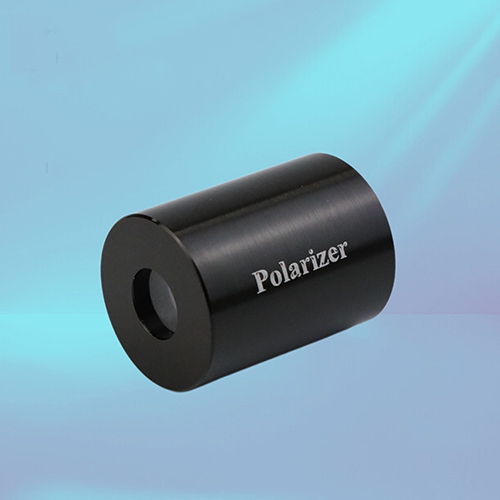
DUBBEL DEPOLARISATOR AV BABYNINTYP
Aug 04, 2026
För en enda HV-depolarisator kan den inte depolarisera allt polariserat ljus, särskilt linjärt polariserat ljus i horisontella och vertikala orienteringar, vilket begränsar dess tillämpningsområde. En enda HV-depolarisator kan betraktas som ett Wollastonprisma med en extremt liten strukturvinkel. Som visas i figur 1 delas ljuset upp i ljusstrålar o och e i den främre halvan, som utbreder sig ortogonalt och i samma riktning; i den bakre halvan är det vidare uppdelat i två strålar – oe och eo – som är linjärt polariserade med motsatta brytningsriktningar. Intensiteten hos dessa två strålar varierar med azimutvinkeln enligt sinus- eller cosinuslagar, som vanligtvis skiljer sig från varandra, vilket resulterar i en betydande polarisationskorrelation. Därför krävs en azimutvinkel på 45° när man använder en HV-depolarisator för monokromatisk ljusdepolarisering. Figur 1 Baserat på principen för HV-typ depolarisatorer kombineras två HV-typ depolarisatorer genom en 45-graders rotation för att bilda en dubbel Babynett-typ depolarisator, såsom visas i figur 2. Denna design gör det möjligt för den andra HV-typ depolarisatorn att effektivt depolarisera de horisontella eller vertikala linjära polarisationskomponenterna i den första HV-typ depolarisatorn, och därigenom övervinna de funktionella begränsningarna hos en enda HV-typ depolarisator. Figur 2: Strukturdiagram över den dubbla depolarisatorn av Babynine-typ
LÄS MER